

Experience Design Is Becoming Sensory + Immersive
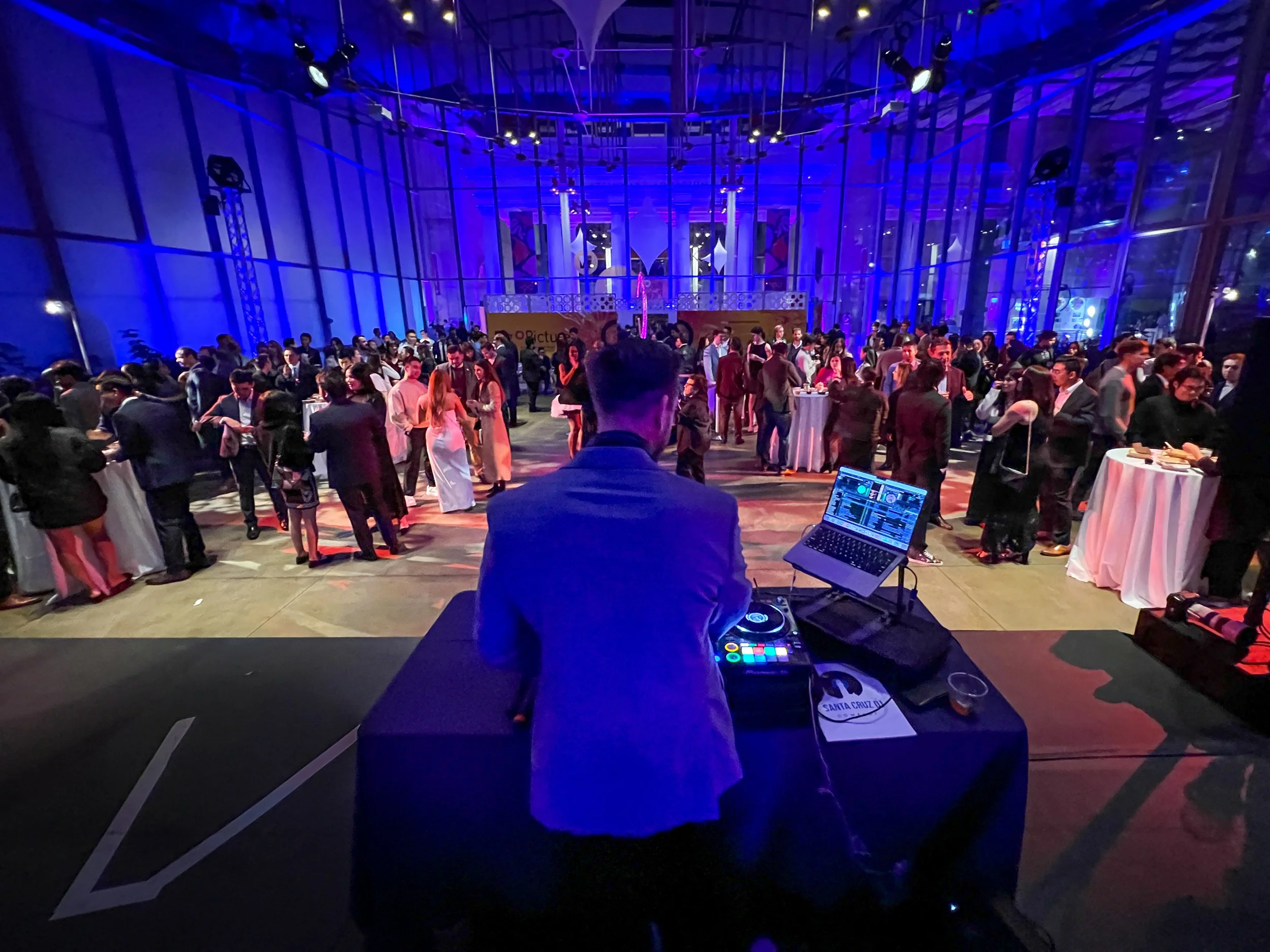
For years, experience design in corporate events has focused heavily on visual elements. Stage design, branding, signage, and overall aesthetics carried the story. While those elements are still important, they are no longer enough.
Today’s audiences expect more immersive, engaging environments. They want experiences that go beyond what they see and tap into how they feel. This shift is transforming how destination management companies (DMCs) approach event design, production, and on-site execution.
Sensory and immersive experiences are quickly becoming the standard in modern event planning and destination services.
Beyond Visuals: Designing Full-Sensory Event Experiences
Events are no longer about passive attendance. They are about active participation. Attendees want to be fully immersed in an environment that feels intentional and engaging. This means designing for the full human experience, not just visuals.
Leading DMC partners and event planners are now incorporating:
Sound design and curated audio environments
Interactive textures and tactile installations
Signature scents tied to brand identity
Culinary experiences that engage taste and memory
For a destination management company, this expands the role from logistics coordination to end-to-end experience design. Every detail contributes to how attendees perceive and remember the event.
Technology Is Elevating Immersive Event Production
Technology is playing a major role in advancing immersive experiences. Innovative event production teams and DMCs are integrating:
Augmented reality (AR) and virtual reality (VR) experiences
Interactive digital installations
Intelligent lighting design that shifts mood and guides flow
Custom soundscapes that reinforce brand storytelling
These tools are no longer standalone features. They are integrated into the full event journey, helping create environments that feel dynamic and responsive.
A strong DMC partner ensures these elements are executed smoothly, aligning technology with the destination, venue, and overall event strategy.
The Return to Tactile, In-Person Experiences
As digital experiences have grown, so has the desire for physical connection.
Attendees are craving tangible, in-person interactions. This has led to a rise in:
Hands-on installations
Textured environments and materials
Interactive brand activations
Experiential lounges and engagement zones
For destination management companies, this is where local expertise becomes critical. Sourcing unique materials, vendors, and custom builds within a destination allows for more authentic and impactful experiences.
Touch creates memory. It grounds the experience in a way digital elements cannot.
At corporate events, this can show up through interactive build stations, tactile workshops, or even hands-on cocktail and culinary experiences where attendees actively participate rather than observe. These moments create a stronger emotional imprint because they engage more than just sight and sound.
Culinary Experiences as a Strategic Event Element
Food is no longer just a service component. It is a key part of event experience design.
Forward-thinking DMCs and event planners are using catering as a storytelling tool by focusing on:
Locally inspired menus that reflect the destination
Interactive food stations and chef-led experiences
Presentation styles that align with brand identity
Flavor profiles designed to evoke emotion and connection
In destination management, culinary experiences are a powerful way to showcase local culture while enhancing attendee engagement.
A strong example of this is the Celebration of Event Mastery, where Culinary Eye designed the menu to align with the experience and the artistic influence of MoMA, such as the Kusama Inspired Cocktail. Each element of the food was thoughtfully curated to reflect the environment, creating a cohesive connection between the culinary experience and the overall event narrative.
Creating Emotional Connections Through Multi-Sensory Design
The goal of immersive event design is not just engagement, but emotional impact.
When multiple senses are activated, experiences become more memorable and meaningful.
Attendees are more likely to:
Stay engaged longer
Form stronger connections
Retain key messaging
Associate positive emotions with the brand
A carefully layered environment can influence how people feel, how long they stay, and what they remember afterward. It turns an event from something attendees simply attend into something they genuinely experience. As the industry continues to evolve, events are beginning to trend toward transformation, where the goal is not just to create a memorable experience, but to leave a lasting impact on how attendees think, feel, or act. While we are not fully there yet, this shift is on the horizon as the next phase beyond experience design.
What This Means for Event Planners and DMCs
As expectations continue to evolve, event planners and destination management companies must adapt.
Key priorities include:
1. Designing beyond visuals
Incorporate all five senses into the event environment.
2. Leveraging destination expertise
Use local culture, venues, and vendors to enhance immersion.
3. Integrating technology thoughtfully
Ensure tech enhances the experience rather than distracts from it.
4. Creating cohesive event journeys
Every touchpoint should align with the overall story and objective.
The Future of Destination Management and Event Design
Experience design is evolving rapidly. It is no longer about what attendees see, but what they feel, remember, and take with them after the event.
For destination management companies, this shift presents an opportunity to lead through creativity, strategy, and local expertise.
The most successful events will be those that deliver immersive, multi-sensory experiences that feel intentional, engaging, and connected to the destination.
That is what turns an event into something unforgettable and what sets a DMC partner apart in today’s competitive event landscape.
Ready to bring your vision to life? Contact us today to start planning your next event: entireproductions.com/contact
