

The Anatomy of a Memorable Event: Food, Entertainment, Design, and Flow
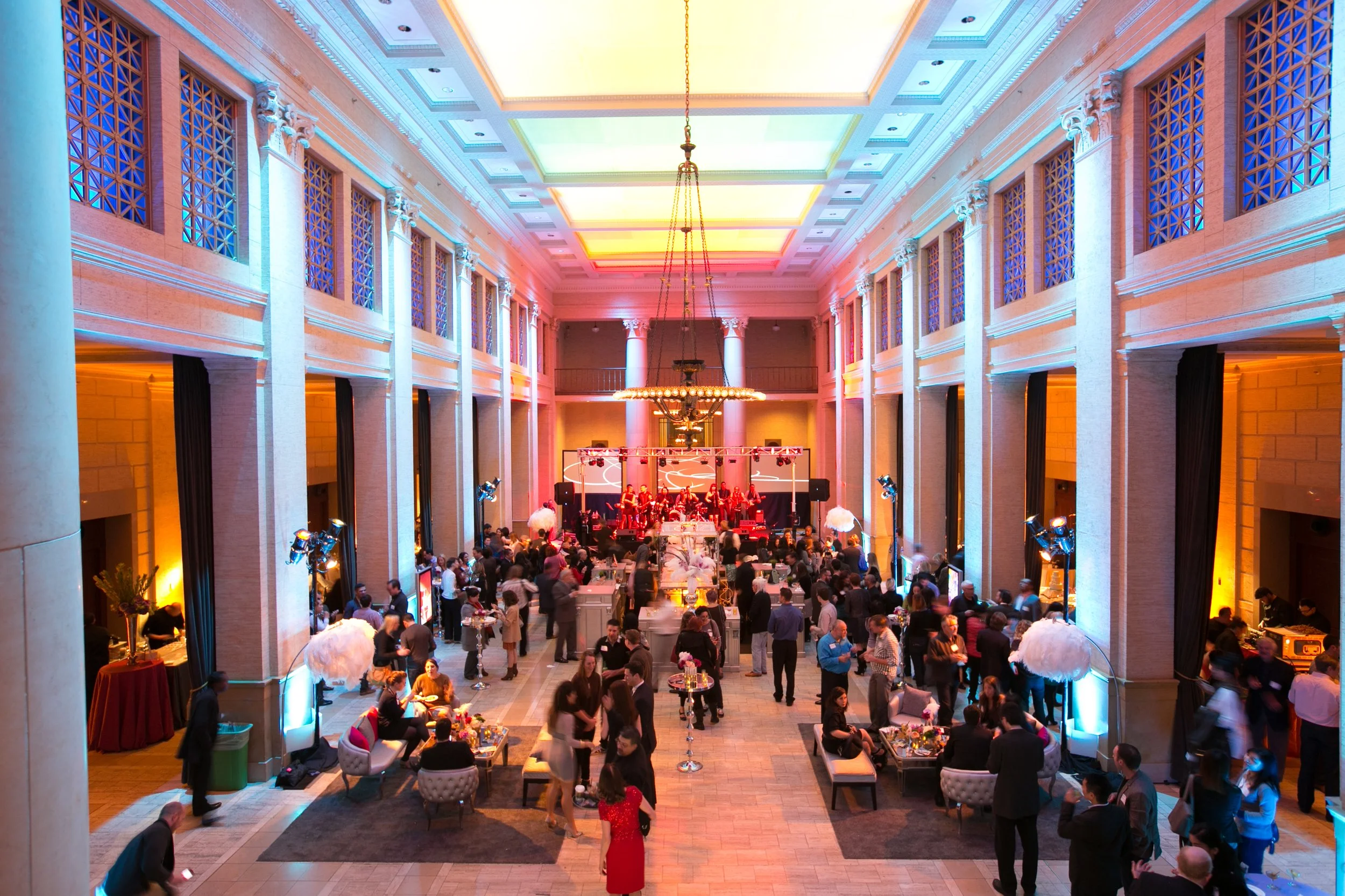
A memorable event is never defined by a single detail. The food may be exceptional, the entertainment impressive, and the design beautiful, but the real impact happens when every element works together as part of one intentional guest experience.
For corporate events, conferences, incentive programs, executive gatherings, galas, and destination events, this coordination becomes even more important. Guests are not simply attending an event. They are experiencing a destination, a venue, a brand, and a program from the moment they arrive.
That is where thoughtful destination management and experience design come together.
Food, entertainment, event design, transportation, hospitality, and event flow all shape how guests experience a program. When these elements are considered together, the result feels connected, polished, and memorable.
Why the Event Experience Matters
Today's guests expect more than a standard gathering. They expect an experience.
For companies bringing employees, clients, executives, or partners together in a destination, that experience often begins long before guests enter the event venue. It can start with airport arrivals, hotel check-in, transportation, welcome experiences, local activities, and the first impression of the destination itself.
A destination management company, or DMC, helps connect those individual touchpoints into one larger guest journey.
Strong destination management considers the full experience, including:
Venue sourcing and selection
Transportation and guest movement
Food and beverage
Entertainment
Event design and decor
Local activities and experiences
Registration and hospitality
Event production
Timing and event flow
Vendor and logistics coordination
When these elements are planned separately, a program can feel fragmented. When they are approached as one connected experience, everything feels more intentional.
Food Sets the Tone
Food is one of the most anticipated and memorable elements of any event, and it can also help guests connect with a destination.
The right food and beverage strategy should reflect the audience, venue, program format, event goals, and location.
For a corporate event, food stations and passed hors d'oeuvres may encourage networking and movement. For a gala, a plated dinner may create a more formal experience. For an incentive program or destination event, locally inspired menus can introduce guests to the flavors and culture of the region.
Food and beverage can also become part of the event storytelling through:
Custom cocktails
Interactive food stations
Local chefs or culinary partners
Regional ingredients
Branded food and beverage experiences
Late-night bites
Destination-inspired menus
A DMC can help identify local catering partners, unique culinary experiences, and venue-specific opportunities that fit the overall program.
Food also directly influences event flow. Passed hors d'oeuvres, food stations, buffets, plated dinners, and dessert experiences each create a different rhythm. The planning team has to consider not only what guests will eat, but where, when, and how food service supports the rest of the experience.
Entertainment Creates Energy
Entertainment gives an event personality, emotion, and momentum. The right entertainment can transform a space, energize guests, and create moments they remember long after returning home.
Entertainment can include dance bands, DJs, jazz ensembles, classical musicians, headliners, singer-songwriters, international talent, dancers, cultural performers, interactive entertainers, and specialty acts.
For destination events, entertainment can also offer guests a stronger sense of place.
Local musicians, performers, artists, or culturally relevant experiences can introduce guests to something they may not encounter during a typical corporate program.
The right entertainment should align with:
The event concept
Guest demographics
Venue layout
Program schedule
Destination
Brand personality
Desired energy
For a corporate gala, the evening might begin with jazz or acoustic music during the reception before transitioning into a high-energy dance band after dinner.
A conference may use a DJ, emcee, musical transitions, or ambient performers to maintain energy throughout the day.
A welcome reception might feature entertainment that introduces guests to the destination while creating an immediate sense of arrival.
Entertainment works best when it is integrated into the overall guest journey rather than added as a standalone moment.
Design Creates the Environment
Event design shapes the visual experience of a program. It creates the first impression, establishes the atmosphere, and helps guests understand how they should interact with the space.
Strong event design can include:
Lighting
Floral design
Furniture and rentals
Linens
Signage and wayfinding
Stage design
Tablescapes
Branded installations
Color palettes
Lounge environments
Photo moments
Scenic elements
Spatial planning
For corporate events, design should support the company's brand while also responding to the architecture and character of the destination.
A waterfront venue, historic property, winery, museum, rooftop, convention center, or outdoor setting may each call for a completely different creative approach.
Local destination knowledge is particularly valuable here. A DMC can help determine which venues and design partners make sense for the guest count, event format, transportation requirements, production needs, and overall creative vision.
The strongest event design does not simply look good in photographs. It supports comfort, movement, visibility, accessibility, conversation, and guest engagement.
Flow Holds the Entire Event Together
Event flow is one of the most important elements of destination management, event production, and experience design.
It is not simply about moving guests from one place to another. It is about intentionally shaping how people experience the program from arrival through departure.
For a destination event, flow may extend beyond the venue itself.
It can include:
Airport arrivals
Hotel check-in
Transportation departures
Welcome receptions
Offsite activities
General sessions
Meal periods
Evening events
Return transportation
Departures
Every transition affects the guest experience.
Where someone arrives, what they encounter first, how long they remain in a space, how easily they understand where to go, and what happens next all contribute to the rhythm of the program.
Good event flow answers important questions:
How do guests arrive at the destination?
How are they transported between hotels, venues, and activities?
What is their first impression?
Where do they naturally go next?
How do guests move through registration or check-in?
How do they transition from cocktail hour to dinner or programming?
When is food served?
When does entertainment begin?
How long should presentations last?
Where are bars, food stations, restrooms, lounges, and exits?
Are transportation departure points easy to find?
How should the energy build, shift, or reset throughout the event?
What does the final guest departure experience feel like?
A beautiful event can still feel frustrating if the flow is not thoughtfully designed. Long transportation waits, crowded entrances, unclear signage, confusing layouts, awkward transitions, or poorly timed programming can quickly pull guests out of the experience.
This is where experience design and destination logistics work together.
The goal is to anticipate how guests will interact with each environment and intentionally design every stage of their journey.
A reception might encourage discovery and conversation, while lighting, music, signage, entertainment, or a carefully timed program cue can naturally guide guests into the next part of the evening.
Transportation should work the same way. Guests should know where to go and when without feeling as though they are constantly being directed.
When event flow is handled well, guests feel guided without feeling managed. The experience moves naturally, and every transition supports the larger program.
How Food, Entertainment, Design, and Flow Work Together
The strongest events happen when food, entertainment, design, logistics, and flow are planned as one connected experience.
Food supports the pacing.
Entertainment shapes the energy.
Design creates the environment.
Destination logistics connect the locations.
Flow keeps the entire experience moving.
Imagine a corporate incentive program in San Francisco.
Guests arrive at their hotel and are welcomed with clear hospitality and transportation information. That evening, shuttles take them to an offsite venue selected for its views, atmosphere, and proximity to the hotel.
Upon arrival, guests enter through a designed welcome moment with lighting, signage, music, and locally inspired food and beverage. The layout encourages guests to explore while still making bars, food stations, lounges, and restrooms easy to find.
Later, a change in lighting and music signals the transition into dinner or programming. Entertainment builds throughout the evening before transportation is staged for a smooth return to the hotel.
No single element creates the experience.
The experience is created by how every element connects.
Why Local Expertise Matters
One of the biggest advantages of working with a destination management company is access to local knowledge.
A DMC understands more than which venues look good online. An experienced local team can help evaluate how a venue actually functions for a specific program.
That may include understanding:
Venue capacities and restrictions
Neighborhood logistics
Transportation routes and timing
Load-in and production access
Local permitting requirements
Seasonal considerations
Hotel and venue proximity
Local catering partners
Entertainment options
Unique offsite experiences
Trusted local vendors
Traffic patterns and guest movement
This knowledge can help companies avoid logistical challenges while uncovering opportunities that may not be obvious to teams planning from outside the destination.
For programs in San Francisco, the Bay Area, Napa Valley, Sonoma, and destinations throughout California, local expertise can be particularly important because transportation, geography, venue access, traffic, and neighborhood logistics can significantly affect the guest experience.
Why Collaboration Is Essential
Creating a cohesive destination event requires many teams to work together.
Venues, caterers, transportation providers, entertainers, designers, audiovisual teams, rental partners, hotels, producers, and planners all need to understand how their work fits within the overall experience.
This is one of the central roles of a destination management company.
Rather than treating transportation, entertainment, decor, activities, and hospitality as separate services, a DMC helps coordinate them around a common event strategy.
When vendors work in silos, details can conflict. Transportation may arrive before a venue is ready. Entertainment may interfere with dinner service. A design installation may affect guest movement. An activity may not account for realistic travel time.
When teams collaborate early, those issues can be addressed before guests ever experience them.
Common Destination Event Planning Mistakes to Avoid
One common mistake is selecting food, entertainment, activities, or decor before defining the purpose of the event.
Without a clear strategy, individual ideas may be exciting but still feel disconnected from the larger experience.
Another is underestimating transportation.
Transportation is not simply a logistical line item. For a destination program, it can have a significant impact on the guest experience. Travel time, loading zones, vehicle staging, accessibility, traffic, and communication all need to be considered.
Guest flow is another area that is frequently underestimated. Even the most impressive venue or entertainment cannot compensate for confusing transitions, long lines, or an inefficient layout.
It is also important not to design only for aesthetics. Beautiful spaces still need to support movement, seating, visibility, accessibility, food service, production, and guest comfort.
Finally, teams should avoid treating the destination as simply a backdrop.
The strongest destination events use the location intentionally, incorporating its venues, culture, food, entertainment, and experiences in ways that give guests a genuine connection to the place.
What Does a Destination Management Company Do?
A destination management company (DMC) is a local event partner that helps organizations plan and execute programs in a specific destination.
Depending on the program, destination management services may include:
Venue sourcing
Transportation management
Hotel and hospitality coordination
Event design and decor
Entertainment sourcing
Food and beverage experiences
Group activities and excursions
Registration support
Staffing
Event production
Local vendor management
Logistics and guest movement
Corporate dinners and receptions
Conference offsites
Incentive travel experiences
For companies planning events outside their home market, a DMC provides both local knowledge and onsite execution support.
Creating a Cohesive Destination Experience
A memorable destination event starts with strategy.
Before selecting venues, transportation, activities, entertainment, or decor, define:
Why guests are gathering
Who the audience is
What the organization wants guests to feel
What moments should stand out
How the destination should contribute to the experience
From there, every decision can support the same goal.
Food should complement the destination and program format.
Entertainment should reflect the audience and desired energy.
Design should transform the environment without fighting the venue.
Transportation should make the program easier to experience.
Flow should connect every moment naturally.
And local experiences should give guests a reason to remember not only the event, but where it happened.
When all of these pieces work together, destination management becomes more than logistics. It becomes experience design.
Let's Get This Party Started
Food, entertainment, design, logistics, and flow are all building blocks of a memorable event. Each matters on its own, but their greatest value comes from how thoughtfully they work together.
For corporate meetings, conferences, incentive programs, galas, executive retreats, brand experiences, and destination events, a strong DMC helps transform individual components into one connected guest journey.
At Entire Destination Management, we approach destination events through both a creative and logistical lens, combining local expertise, event production, destination services, and experience design to create programs that feel intentional from arrival through departure.
Whether you are planning a corporate event in San Francisco, the Bay Area, Napa Valley, Sonoma, or another destination, the goal is the same: create an experience where guests feel welcomed, engaged, and cared for at every stage.
Because the most memorable events are not simply a collection of great details. They are experiences where every detail works together.
